Alzheimer's Prevention: What Actually Works
There is no Alzheimer's cure — but there is a prevention story that gets too little airtime: the Lancet Commission estimates roughly 40% of dementia risk is potentially modifiable through factors that are almost all in this site's other pillars. Here's the honest hierarchy.
What the evidence supports
- ~40% of dementia risk attaches to potentially modifiable factors (Lancet Commission).
- Hearing correction, blood-pressure control, exercise, and education are the largest modifiable contributors.
- The FINGER trial: a multidomain lifestyle intervention slowed cognitive decline in at-risk older adults.
What remains uncertain
- Most supplement claims (ginkgo, B vitamins, omega-3s) have failed or underdelivered in trials.
- Whether prevention delays or merely compresses dementia is unclear.
- Anti-amyloid drugs exist now — but their real-world benefit is modest and debated; this topic covers lifestyle, not prescribing.
Evidence last reviewed: August 13, 2026. Conclusions may change as new research is published.
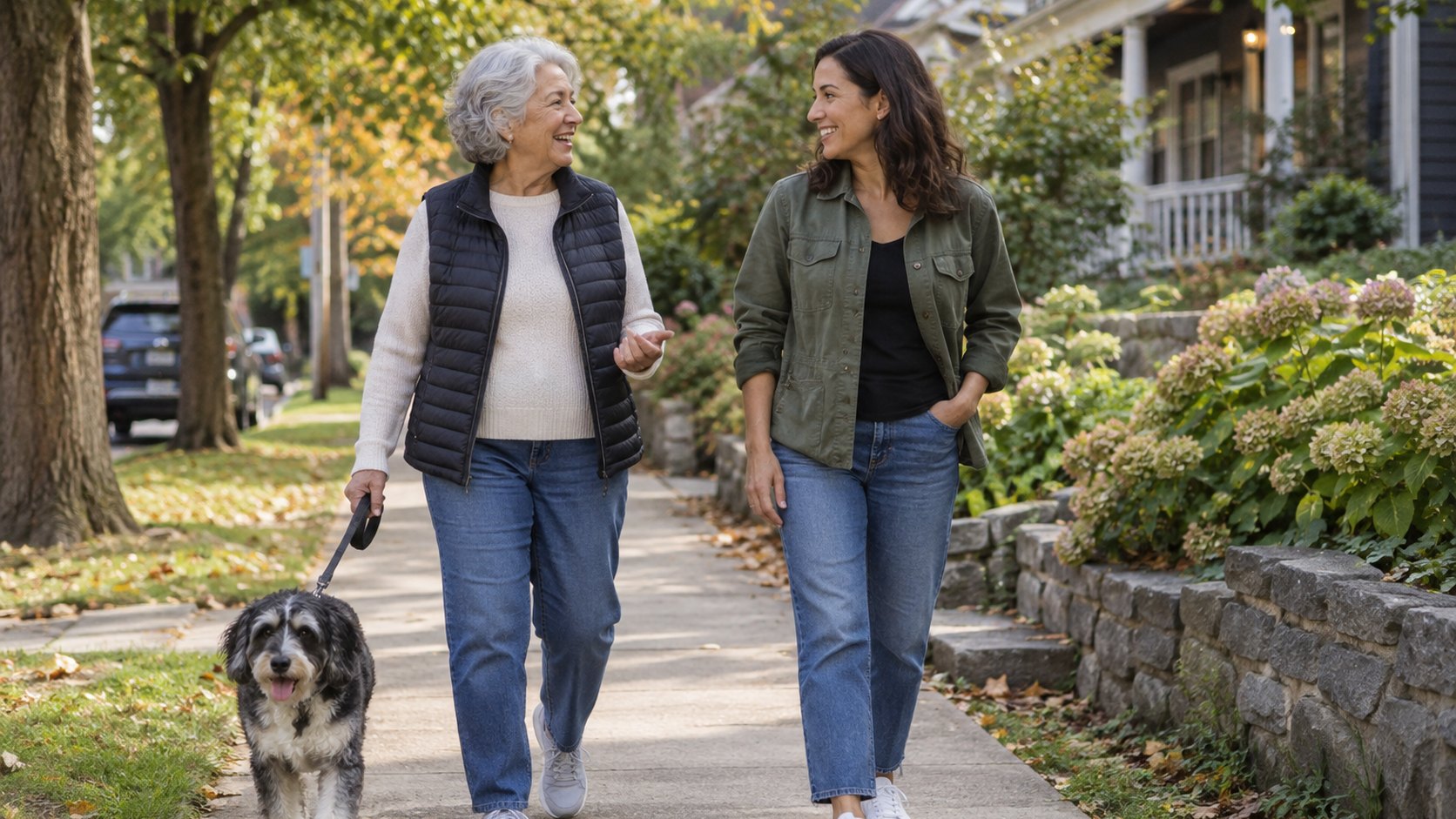
The Lancet List: What Actually Matters
The Lancet Commission's synthesis of the risk-factor literature, ranked by their estimated contribution — note how many live in this site's other pillars:
- 👂 Hearing loss — the single largest modifiable factor in the original commission analysis; and hearing aids appear to attenuate it (emerging trials).
- 🫀 Hypertension — midlife blood pressure control is among the best-evidenced dementia preventions (the Metabolic pillar's page).
- 🏃 Physical inactivity — exercise trials improve cognition in at-risk adults, and the Exercise pillar owns the dose.
- 🚬 Smoking, 🍺 excess alcohol, ⚖️ obesity, 🍬 diabetes — the metabolic cluster, again.
- 👥 Social isolation and depression — the Relationships and Stress pillars, in dementia terms.
- 🎓 Low education / cognitive inactivity — the reserve factor this pillar's neuroplasticity topic explains.
The FINGER Trial: Proof the Stack Works
The single most important dementia-prevention trial to date: FINGER (Finnish Geriatric Intervention Study) randomized at-risk older adults to a multidomain lifestyle program — diet, exercise, cognitive training, and vascular monitoring, simultaneously. Result: the intervention group showed significantly better cognitive outcomes after two years — the first large trial to show a lifestyle package slows decline. The lesson isn't any single ingredient; it's the stack. Follow-up trials (World-Wide FINGERS) are running now. The honest caveat: the effect was real but modest — the package delays decline; it doesn't make the risk vanish.
The Supplements That Don't Work
- 🌿 Ginkgo biloba — the classic: large trials found no effect on dementia prevention.
- 💊 B vitamins (B12/B6/folate) — useful for deficiency, ineffective for prevention in well-nourished people.
- 🐟 Omega-3s — beneficial for heart health, but dementia-prevention trials have disappointed.
- 🧠 "Nootropic" stacks — the evidence-based cognitive enhancers are caffeine, exercise, and sleep (the drugs topic's honest list). Everything else is marketing with a thin trial behind it.
🧠 The hearing-loss surprise
The finding that surprises people most: hearing loss is the largest single modifiable dementia factor in the Lancet analyses — and emerging trial evidence suggests hearing aids attenuate the risk. The proposed mechanism: untreated hearing loss isolates people (the Relationships pillar's machinery) and forces the brain to burn resources decoding sound instead of thinking. The practical translation: hearing checks are dementia prevention, and hearing aids are cognitive health devices — not just appliances.
Prevention Questions, Answered Briefly
- How early should prevention start? The vascular and hearing factors matter most in midlife — the mid-40s to mid-60s window is when the modifiable risk does its work. Prevention isn't a retirement project.
- Is prevention just delaying the inevitable? Partly — and that's the point. Delaying dementia onset by five years roughly halves its population burden. Delay is the treatment.
- What about the new anti-amyloid drugs? They exist and slow decline modestly in early disease — with real risks and real costs, still debated in the field. They don't replace the prevention stack; the lifestyle factors remain the evidence base for everyone else.
The Bottom Line
- ~40% of dementia risk is potentially modifiable — and almost all of it lives in this site's other pillars.
- Hearing, blood pressure, exercise, and connection lead the list.
- FINGER proves the stack works — diet + exercise + cognitive training + vascular control.
- Skip the supplement aisle — ginkgo and friends have failed the trials.
Go Deeper: Subtopics
- 🔎 The Lancet 12 risk factors — the modifiable-risk list (hearing loss, hypertension, exercise…) and their weighted contributions. Read it →
- 🔎 The hearing-loss surprise — why midlife hearing correction is a top-tier intervention, and the mechanism. Read it →
- 🔎 Diet & supplements for prevention — the honest null results: why no pill has passed the prevention trials. Read it →
- 🔎 The blood-pressure window — midlife BP control and dementia risk: the SPRINT-MIND findings. Read it →
- 🔎 Early detection — biomarkers (p-tau217), when testing makes sense, and the amyloid-PET caution. Read it →
Related Topics
- Livingston et al., "Dementia prevention, intervention, and care: 2024 report of the Lancet Standing Commission," The Lancet (2024)
- Ngandu et al., "A 2-year multidomain intervention of diet, exercise, cognitive training, and vascular risk monitoring (FINGER)," The Lancet (2015)
- Lin et al., "Hearing intervention versus health education control to reduce cognitive decline in older adults (ACHIEVE)," The Lancet (2023)
- DeKosky et al., "Ginkgo biloba for prevention of dementia," JAMA (2008)
- Kivipelto et al., "World-Wide FINGERS: a global approach to risk reduction," Alzheimer's & Dementia (2020)