Supplements With Limited Human Evidence
Past melatonin, the sleep-supplement shelf is a landscape of plausible chemistry and thin human data. Magnesium has one small trial in older adults, glycine a handful of small studies, valerian a systematic review that says "safe but not effective," and the rest run on mechanism stories. This page reads each product's actual record, maps the interaction and quality concerns that matter more than the marketing, and gives the shelf a fair but unsparing audit.
What the evidence supports
- A single small double-blind trial found 500 mg of magnesium improved insomnia measures in older adults (Abbasi et al., J Res Med Sci, 2012) — a signal, not a settled fact.
- Glycine at 3 g before bed improved subjective sleep quality in small studies (Yamadera et al., Sleep Biol Rhythms, 2007).
- Valerian's systematic-review verdict is the honest headline: reasonably safe, but no consistent sleep benefit (Taibi et al., Sleep Medicine Reviews, 2007).
What remains uncertain
- Whether any of these products helps the general population — not just the small studied groups — is unestablished; most trials are short, small, and single-site.
- Dose, form, and duration guidance barely exists; magnesium's active form and glycine's long-term effects are open questions.
- Quality control is the hidden variable: supplements are regulated as foods, and contamination cases are documented (Cohen, NEJM, 2009).
Evidence last reviewed: August 20, 2026. Conclusions may change as new research is published.
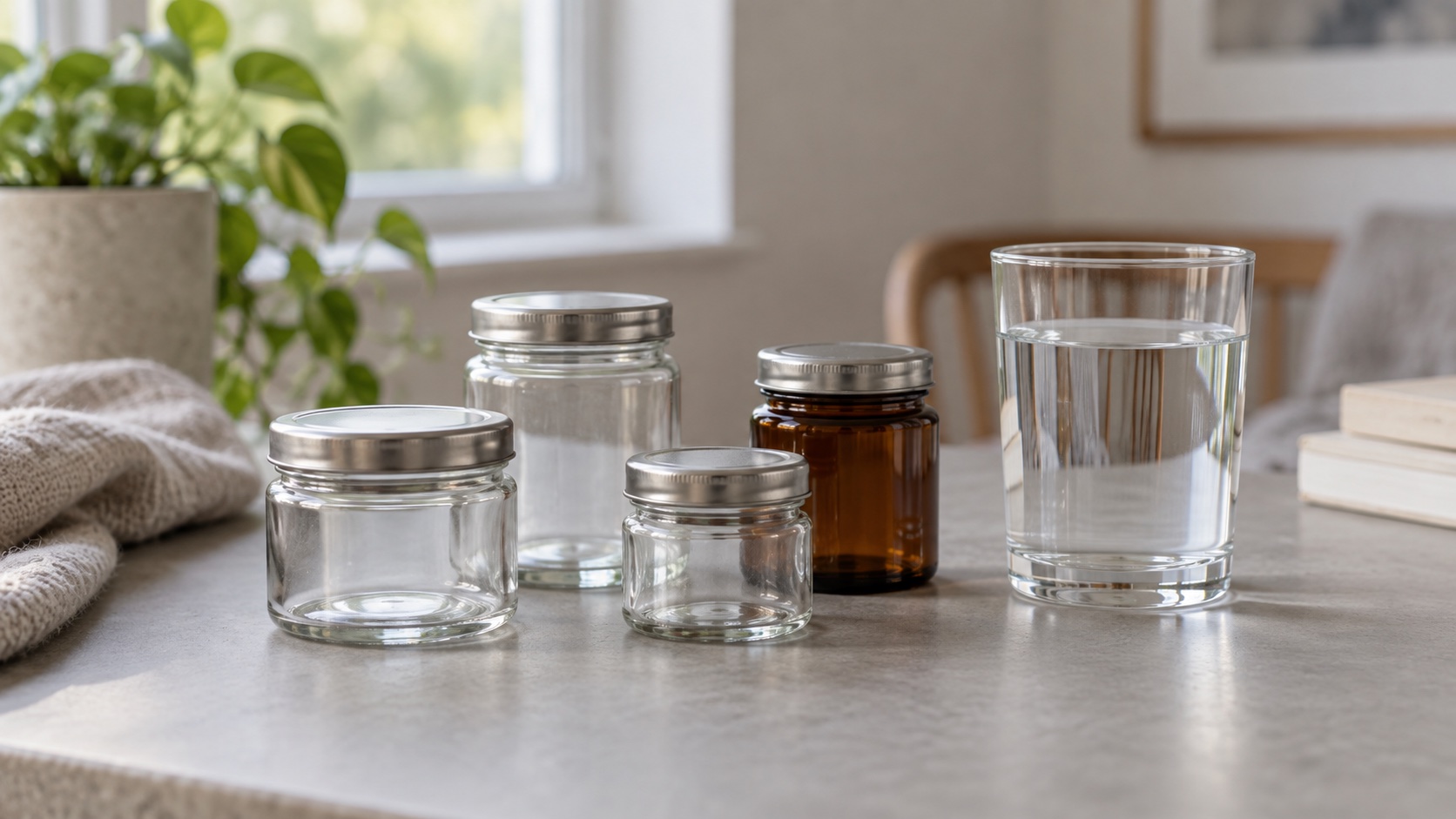
The Supplement Shelf, Read Honestly
Every product on this shelf has a mechanism story: magnesium relaxes, glycine cools, valerian calms, GABA soothes. Mechanism stories are cheap — every supplement has one. What separates the shelf's few interesting entries from its many speculative ones is controlled human data, and that is exactly where the shelf thins out. The honest frame for this page: these are products with plausible biology, small or absent trial records, real interaction risks, and no quality guarantee in the bottle. Compare that record with the CBT-I evidence — meta-analyses, durable effects — and the hierarchy writes itself.
- ⚗️ Mechanism is not evidence — "it relaxes muscle tone in a dish" is a hypothesis, not a result; the trial is the test.
- 📉 The record is the ranking — magnesium and glycine have small positive studies; valerian has a negative systematic review; most of the rest have neither.
- 🧾 Regulated as food, sold as medicine — the Dietary Supplement Health and Education Act frame means claims run ahead of verification; the Sleep Protocol series treats the gap as a standing caution.
Product picks are generic categories, not brands. We may earn a commission on Amazon or iHerb purchases at no cost to you — this never changes our evidence conclusions. Full disclosure
Magnesium supplement
May correct inadequate intake; evidence for specific sleep benefits remains limited.
⚠️ Can cause diarrhea or abdominal discomfort; kidney disease and medication interactions require professional guidance.
Check price on Amazon →Magnesium: One Small Trial, Lots of Chemistry
Magnesium is the most biologically credible entry on the shelf — it modulates the NMDA receptor and calcium channels, and deficiency is common enough in older adults to make the story plausible. The human sleep data, however, are thin: the best-known trial randomized 46 older adults with insomnia to 500 mg of magnesium or placebo daily and found better sleep-onset and sleep-efficiency measures in the magnesium group (Abbasi et al., Journal of Research in Medical Sciences, 2012). It is a real trial, a real signal — and a single, small, single-site study that has not been robustly replicated. An open pilot also linked magnesium to relief in a restless-legs pattern (Hornyak et al., Sleep, 1998), which matters because leg movement and breathing disorders are common masked causes of "why won't I sleep."
- 🧪 The trial: 46 older adults, 500 mg, 8 weeks — improved insomnia scores in the magnesium arm; a signal worth a larger study, not a prescription.
- 🦵 The restless-legs thread — magnesium showed benefit in an open pilot for periodic-leg-movement insomnia; ferritin and iron status are the first-line question there, best run past a clinician.
- 💧 The kidney is the limit — magnesium is cleared by the kidneys, and renal impairment turns a safe mineral risky; high doses loosen stools long before they help sleep.
- 🔀 Forms matter but are unproven — glycinate and citrate are marketed as sleep-friendly; the controlled data do not sort the forms, so the claim outruns the record.
Glycine: A Curious Amino Acid
Glycine's story is different and genuinely odd: it is an inhibitory neurotransmitter that also lowers core body temperature, and the temperature drop is the sleep-relevant piece — the same cooling event the bedroom temperature page describes. The human studies are small: 3 g of glycine before bed improved subjective sleep quality in healthy volunteers, with polysomnographic support (Yamadera et al., Sleep and Biological Rhythms, 2007). The mechanistic review (Bannai & Kawai, Journal of Pharmacological Sciences, 2012) makes the temperature case coherently. It is the most interesting minor product on the shelf — and still a handful of small studies, not a body of work.
- 🌡️ The cooling mechanism is the hook — 3 g glycine lowers core temperature slightly, mimicking the natural pre-sleep drop.
- 📏 Small studies, subjective endpoints — self-reported sleep quality improved; objective sleep architecture moved modestly and inconsistently.
- 🔬 No long-term data — nightly glycine supplementation beyond a few weeks has no established safety record in healthy adults.
Valerian, Ashwagandha, GABA, and the Mechanism Shelf
The rest of the shelf runs on reputation. Valerian is the best studied and the most disappointing: the systematic review pooled the controlled trials and concluded it is reasonably safe but not consistently effective for sleep (Taibi et al., Sleep Medicine Reviews, 2007). Ashwagandha has produced open-label and small placebo-controlled studies suggesting better sleep scores, but open-label designs are the weakest tier and the effect is entangled with its anxiolytic claims. GABA supplements face a structural problem: oral GABA crosses the blood-brain barrier poorly, so the "calming neurotransmitter in a pill" pitch starts below the chemistry. The table below is the honest scorecard.
| Product | Evidence tier | What the studies show | Flags |
|---|---|---|---|
| 🧂 Magnesium | One small RCT | 500 mg improved insomnia scores in 46 older adults | Kidney disease changes everything; loose stools at high dose |
| 🧬 Glycine | Small studies | 3 g improved subjective sleep quality | No long-term data; dose unstudied in most adults |
| 🌿 Valerian | No consistent benefit | Systematic review: safe but not effective | Additive sedation with other sedatives |
| 🍃 Ashwagandha | Open-label only | Sleep-score improvements in weak designs | Thyroid and immune effects under study; liver reports exist |
| 🔇 GABA | No reliable trials | Poor brain penetration undermines the premise | Marketing runs far ahead of measurement |
Interactions and Who Should Be Careful
The low evidence bar does not mean low risk — it means unmeasured risk. Valerian and any sedative (including alcohol and the OTC antihistamines) stack additively. Products that touch serotonin or GABA — 5-HTP, tryptophan, valerian, ashwagandha in high doses — carry theoretical serotonin-syndrome interactions with antidepressants. Kidney disease changes magnesium and potassium-containing formulas; liver disease changes anything metabolized in the liver, and kava's hepatotoxicity history is the category's cautionary tale (Cohen, NEJM, 2009, documents the broader contamination problem). Pregnancy and breastfeeding: almost none of this shelf has adequate safety data, so the answer is a clinician conversation, not a bottle.
- 🧩 Additive sedation is the quiet risk — valerian plus a PM pill plus wine is a stack no label warns about; the pharmacist should see all three.
- 💊 Antidepressant interactions are real — serotonin-adjacent supplements alongside SSRIs are the classic pharmacist question.
- 🫘 Organ disease changes every row — kidneys for magnesium, liver for herbal extracts; the clinician owns that filter.
- 🤰 Pregnancy and breastfeeding — inadequate safety data across the shelf; the obstetric clinician is the gatekeeper, and the question list page builds the visit.
⚠️ Plausible chemistry is not a green light
Nothing on this page recommends starting any supplement. The thin-evidence shelf still carries real interactions — antidepressants, sedatives, kidney and liver disease, pregnancy — and no quality guarantee inside the bottle. Any supplement decision belongs on the clinician and pharmacist's desk with your full medication list, and the honest alternative for most people remains the behavioral toolkit that owns the actual evidence.
Practical Rules for the Supplement Shelf
To bring a supplement into a clinician conversation rather than a shopping cart, the rules below keep the question answerable:
- 📦 Bring the actual bottle — not the name, the bottle; the pharmacist can check the form, dose, and third-party seal.
- 🔍 Look for a testing seal — USP or NSF verification at least addresses content variability; it does not create evidence.
- 📓 One change at a time, time-boxed — a single product, a fixed dose, two to three weeks, a sleep diary; three at once is an experiment nobody can read.
- 🗣️ Name it to the clinician — "I'm thinking about magnesium" is a conversation; a surprise bottle in the medication list is a liability.
Questions, Answered Briefly
- ❓ Is magnesium worth trying for sleep? The one small trial is genuinely positive, and a clinician can check your level and kidney function first — turning a gamble into a decision.
- ❓ Why does valerian keep selling if the review says it does not work? The placebo response to sleep aids is large and the marketing is loud; the review separates "safe" from "effective."
- ❓ Can I take glycine with melatonin? Nothing on this page combines supplements; additive effects on sleep and blood pressure are a stack a pharmacist should review first.
- ❓ What does "third-party tested" actually guarantee? Content and purity — the bottle holds what the label claims. It guarantees nothing about whether the product helps you sleep.
The Bottom Line
- Mechanism stories are cheap; trials are rare — on this shelf, only magnesium and glycine carry small positive human studies.
- Valerian is the cautionary tale — the systematic review's verdict "safe but not effective" is the template for reading the rest of the shelf.
- Thin evidence is not zero risk — additive sedation, antidepressant interactions, and organ-disease filters matter more than the marketing.
- The bottle is not the answer — quality varies, doses are unstudied, and the durable alternative remains the behavioral toolkit that owns the real evidence.
Related Topics
- Abbasi B, Kimiagar M, Sadeghniiat K, Shirazi MM, Hedayati M, Rashidkhani B, "The effect of magnesium supplementation on primary insomnia in elderly: a double-blind placebo-controlled clinical trial," Journal of Research in Medical Sciences (2012)
- Hornyak M, Voderholzer U, Hohagen F, Berger M, Riemann D, "Magnesium therapy for periodic leg movements-related insomnia and restless legs syndrome: an open-pilot study," Sleep (1998)
- Yamadera W, Inagawa K, Chiba S, Bannai M, Takahashi M, Nakayama K, "Glycine ingestion improves subjective sleep quality in human volunteers, correlating with polysomnographic changes," Sleep and Biological Rhythms (2007)
- Bannai M, Kawai N, "New therapeutic strategy for amino acid medicine: glycine improves the quality of sleep," Journal of Pharmacological Sciences (2012)
- Taibi DM, Landis CA, Petry H, Vitiello MV, "A systematic review of valerian as a sleep aid: safe but not effective," Sleep Medicine Reviews (2007)
- Cohen PA, "American roulette — contaminated dietary supplements," New England Journal of Medicine (2009)