Prostate Protection Evidence
Prevention evidence for prostate cancer is thinner than for almost any other major disease — the famous supplements failed their trials, the diet data are suggestive rather than settled, and the strongest levers turn out to be the same generic ones that protect everything else. This page scores the candidates honestly, including the trial that found a popular vitamin doing harm.
What the evidence supports
- Vitamin E supplements slightly increase prostate cancer risk (about 17% in SELECT, JAMA, 2009); selenium showed no benefit — the antioxidant assumption failed a randomized test.
- Exercise carries the strongest signal: vigorous activity after diagnosis is associated with substantially lower prostate-cancer mortality in the Health Professionals Follow-up Study (JCO, 2011).
- Obesity is consistently associated with worse outcomes — more advanced disease at diagnosis and higher recurrence and death rates after treatment.
What remains uncertain
- Whether diet changes actually prevent prostate cancer — lycopene, soy, cruciferous vegetables, and green tea all have supportive biology and mixed observational data, but no convincing trial evidence.
- Whether very high calcium and dairy intake cause the aggressive-disease association seen in cohorts, or merely track something else.
- Whether losing weight after diagnosis changes prostate-cancer outcomes — plausible, widely assumed, never properly tested.
Evidence last reviewed: August 15, 2026. Conclusions may change as new research is published.
Why Prostate Prevention Is Hard
Prostate cancer is a poor target for prevention research. It is common, it grows for decades before it is detectable, and most of it never turns lethal — so a prevention trial needs tens of thousands of men followed for ten-plus years just to see a signal through the noise, and any intervention that slows the slow-moving majority will be nearly impossible to distinguish from one that does nothing. The diseases where prevention works — cardiovascular disease has diet trials that move events within years — reward intervention because the endpoint is common and fast. Prostate cancer rewards patience in every direction, including the research. The practical consequence is the theme of this page: the prevention claims you hear for this organ are mostly weaker than the claims for the organs next to it, and the interventions that survived testing are not the ones sold in supplement aisles.
The Supplements That Failed
The defining cautionary tale is SELECT, which randomized 35,533 men to selenium, vitamin E, both, or placebo on the strength of promising secondary findings from earlier trials — and stopped early when the data turned (Lippman et al., JAMA, 2009). Selenium did nothing. Vitamin E raised prostate cancer risk by about 17% relative to placebo, and the excess risk persisted in extended follow-up. It is the cleanest demonstration on record that antioxidant plausibility does not survive randomized testing in this organ. The two prevention drugs that did work in trials — finasteride and dutasteride — cut incidence by roughly a quarter but at a price: a small excess of high-grade tumors in the treated arms, plus sexual side effects, which is why neither became a routine prescription (clinician territory, and a live judgment call).
| Intervention | Trial | Result | Read |
|---|---|---|---|
| Selenium, 200 mcg/day | SELECT, 35,533 men | No reduction in prostate cancer risk | Null |
| Vitamin E, 400 IU/day | SELECT, 35,533 men | About 17% higher prostate cancer risk | Harm signal |
| Finasteride, 5 mg/day | PCPT, 18,882 men | About 25% lower incidence; more high-grade tumors in treated arm | Real but traded |
| Dutasteride, 0.5 mg/day | REDUCE, 8,231 men | About 23% lower incidence; same high-grade caveat | Real but traded |
The Diet Scorecard, Honestly
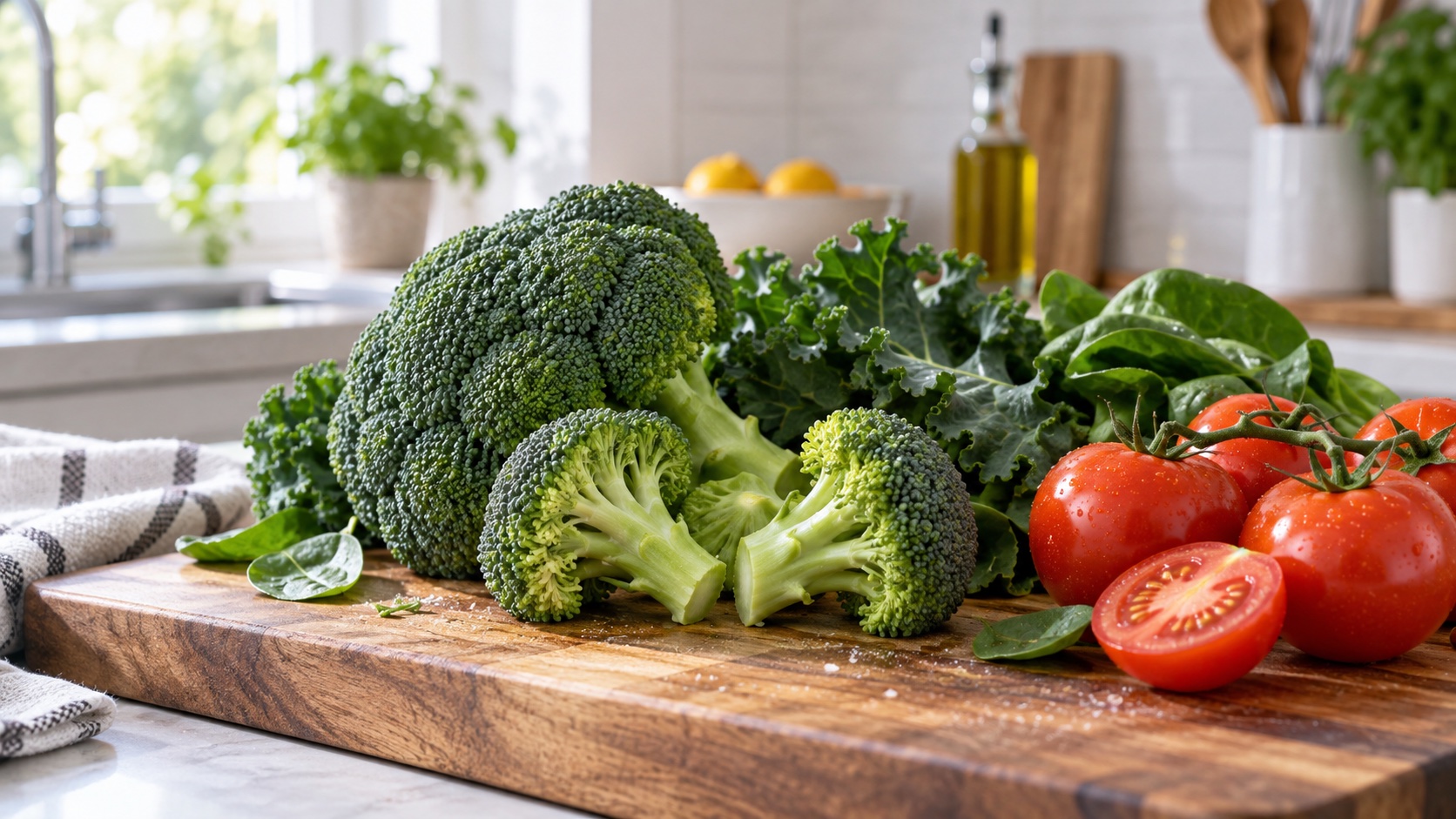
- 🍅 Tomatoes and lycopene. The most studied candidate: pooled analyses associate higher dietary and blood lycopene with modestly lower risk (Rowles et al., 2017), but the trial evidence is weak, and lycopene supplements have not earned a recommendation. Food is fine; pills are faith.
- 🥛 Dairy and calcium. Very high intake — above roughly 1,500–2,000 mg of calcium daily — is associated with more advanced and fatal disease in the Health Professionals Follow-up Study (Giovannucci et al., 1998). Moderate intake is not implicated; mega-dosing supplements is the pattern to avoid.
- 🥦 Cruciferous vegetables. Sulforaphane looks good in the lab, and observational studies are mixed-to-slightly-favorable. Real vegetables: encouraged as part of the general pattern. Extracts: no.
- 🫘 Soy and green tea. Consistent inverse associations in East Asian cohorts, near-null results in Western ones, and small trials that do not settle anything. Enjoy both; expect nothing specific.
- ☕ Coffee. Meta-analyses suggest a modest inverse association with prostate cancer — plausible, unproven, and already part of most people's morning. No action required beyond what you do anyway.
Exercise: The Strongest Lever
The clearest number in this entire topic belongs to movement. In the Health Professionals Follow-up Study, men with prostate cancer who engaged in vigorous activity — running, cycling, swimming — for three or more hours per week had a 61% lower risk of dying of prostate cancer compared with the least active men (Kenfield et al., JCO, 2011), and brisk walking even at lower volumes carried a measurable benefit. For prevention before diagnosis, the evidence is more modest: vigorous activity is associated with a lower risk of advanced disease, though not clearly with overall incidence. The mechanism picture — better insulin sensitivity, lower inflammation, less visceral fat — is the same one the metabolic pillar documents for every other disease, which is why this page's advice converges on the site's general playbook rather than a prostate-specific routine. The exercise dose-response lives in the walking and zone 2 topics.
Body Weight, Smoking, and the Other Factors
- ⚖️ Body weight. Obesity is associated with more aggressive disease at diagnosis and worse survival after treatment — one of the more consistent findings in the field. Weight loss after diagnosis is plausible but untested.
- 🚬 Smoking. Current and heavy former smoking are associated with higher prostate-cancer mortality and worse treatment outcomes — another reason the smoking decision is a longevity decision.
- 🛌 Ejaculation frequency. In the Health Professionals Follow-up Study, higher lifetime ejaculation frequency was associated with lower total prostate-cancer risk (Leitzmann et al., JAMA, 2004). Observational, mechanistically plausible, and not a prescription — the honest read is "no reason to worry about it."
- 🍷 Alcohol. No consistent association with prostate cancer risk, unlike several other cancers — alcohol's case against it is built elsewhere, not here.
- 💊 Multivitamins. Neither the general vitamins nor "prostate formula" products have trial support for this organ, and SELECT is the standing warning that plausible ingredients can do harm. Spend the money on food.
What a Sensible Stack Looks Like
Assembled from what survived the evidence, a protection plan for this organ looks strikingly like the plan for the rest of you: keep weight in the normal range, move vigorously several hours a week, do not smoke, eat a vegetable-forward pattern with moderate calcium rather than supplemented calcium, and skip the targeted supplements entirely. Two prostate-specific notes. First, the strongest "protection" available is not a food but a decision — knowing your risk and your PSA trend, per the screening pages in this series, buys the thing no diet can: early visibility. Second, if a product's marketing leads with this organ, treat it as a reason to distrust the product — the supplement industry's prostate shelf has a worse track record than its other shelves, and SELECT is the receipt.
🥦 The protective levers here are mostly the general ones
Honest scorekeeping: what protects the prostate is, so far, what protects the heart, the metabolism, and the brain — weight, movement, not smoking, and a sensible eating pattern. The specifically prostate-targeted products — lycopene pills, selenium, vitamin E, "prostate formula" blends — have failed their trials or never had them. If a product's marketing leads with this organ, treat it as a reason to distrust the product: the evidence for targeted prostate-protection products is the thinnest shelf in the store. The general levers are the real ones, and they are boring enough that no one advertises them.
Questions, Answered Briefly
- 🍅 Should I take lycopene? Cooked tomatoes as food are a fine choice; the pooled observational signal is modest and the trial evidence for pills is weak. Food yes, pills no.
- 🥛 Is dairy dangerous for my prostate? Only at very high calcium intakes — above roughly 1,500–2,000 mg a day, mostly from supplements, in observational cohorts. Normal dietary dairy is not implicated.
- 🏃 Does exercise prevent prostate cancer? The prevention signal is modest and specific to advanced disease; the survival signal after diagnosis is strong (61% in the HPFS data). Exercise matters most for men who already carry the diagnosis.
- 💊 Should I ask about finasteride? It is a real prevention effect with real trade-offs — a conversation for a clinician, not a self-service decision, and most guidelines stop short of recommending it for prevention.
- 🩺 What is the single most protective thing I can do? Know your numbers: a baseline PSA, your family history, and a screening decision made deliberately — the early-visibility pathway this series covers — outweighs any food on this page.
The Bottom Line
- The supplement story is over — vitamin E increased risk by 17% and selenium did nothing in a randomized trial; targeted prostate supplements have no trial support.
- Exercise is the strongest lever — vigorous activity is associated with a 61% lower risk of prostate-cancer death after diagnosis, the clearest number in the topic.
- Diet offers modest, honest signals — tomatoes and coffee are mildly encouraging, very high calcium is mildly concerning, and everything else is noise or faith.
- The real protection stack is generic — normal weight, regular vigorous movement, no smoking, moderate calcium, and deliberate screening decisions built on your PSA trend.
Related Topics
- Lippman et al., "Effect of selenium and vitamin E on risk of prostate cancer and other cancers: the Selenium and Vitamin E Cancer Prevention Trial (SELECT)," JAMA (2009)
- Thompson et al., "The influence of finasteride on the development of prostate cancer," New England Journal of Medicine (2003)
- Andriole et al., "Effect of dutasteride on the risk of prostate cancer," New England Journal of Medicine (2010)
- Kenfield et al., "Physical activity and survival after prostate cancer diagnosis in the health professionals follow-up study," Journal of Clinical Oncology (2011)
- Rowles et al., "Increased dietary and circulating lycopene are associated with reduced prostate cancer risk: a systematic review and meta-analysis," Prostate Cancer and Prostatic Diseases (2017)
- Giovannucci et al., "Calcium and fructose intake in relation to risk of prostate cancer," Cancer Research (1998)
- Leitzmann et al., "Ejaculation frequency and subsequent risk of prostate cancer," JAMA (2004)