Small Purpose: Daily Meaning Without Grand Gestures
The purpose literature has a quiet finding buried inside the grand ones: meaning is mostly a daily phenomenon, not a life's-calling phenomenon. The people with high purpose scores aren't usually revolutionaries — they're people whose ordinary days contain small acts of meaning. This page is about those acts.
What the evidence supports
- Daily meaning (day-level purpose) independently predicts wellbeing in diary studies — separate from trait-level purpose.
- Small acts of care, competence, and connection are the most common sources of daily meaning across studies.
- Recurring meaningful routines — not peak experiences — predict life satisfaction in longitudinal data.
What remains uncertain
- Whether daily-meaning interventions change long-term health is unstudied — the mechanism is inferred from the trait-purpose literature.
- Which specific small acts matter most likely varies by person and life stage.
- The floor is unknown: how much daily meaning is "enough" has no established threshold.
Evidence last reviewed: August 13, 2026. Conclusions may change as new research is published.
Product picks are generic categories, not brands. We may earn a commission on Amazon or iHerb purchases at no cost to you — this never changes our evidence conclusions. Full disclosure
Guided journal or notebook
Can support reflection, planning, or brief stress-management practices.
⚠️ Journaling may be distressing for some people; it is not a substitute for mental-health treatment or crisis support.
Check price on Amazon →The Three Flavors of Daily Meaning
Diary studies of "what made today meaningful" converge on three recurring sources — none of them requiring a calling:
- 🤲 Care — helping someone, feeding someone, being depended on. The most commonly reported source of daily meaning across studies.
- 🎨 Competence — doing something well, finishing something, learning something. Mastery is meaning, at any scale.
- 👥 Connection — a real conversation, being seen, being part of a "we." The Relationships pillar's biology, experienced as meaning.
The pattern that matters: these are recurring, not rare. The research on life satisfaction consistently finds that regular, modest sources of meaning outperform occasional peak experiences — the same finding as the downshift topic's "small, frequent recoveries beat large, rare ones," applied to meaning.
The Weekly Anchor System
| Anchor | What it provides | Minimum dose |
|---|---|---|
| 👨👩👧 A person who needs you | Care — the strongest daily-meaning source | Once weekly, scheduled |
| 🛠️ A craft with progress | Competence — visible improvement | 2× weekly |
| 👥 A recurring group | Connection — belonging | 1× weekly (the Relationships pillar's container) |
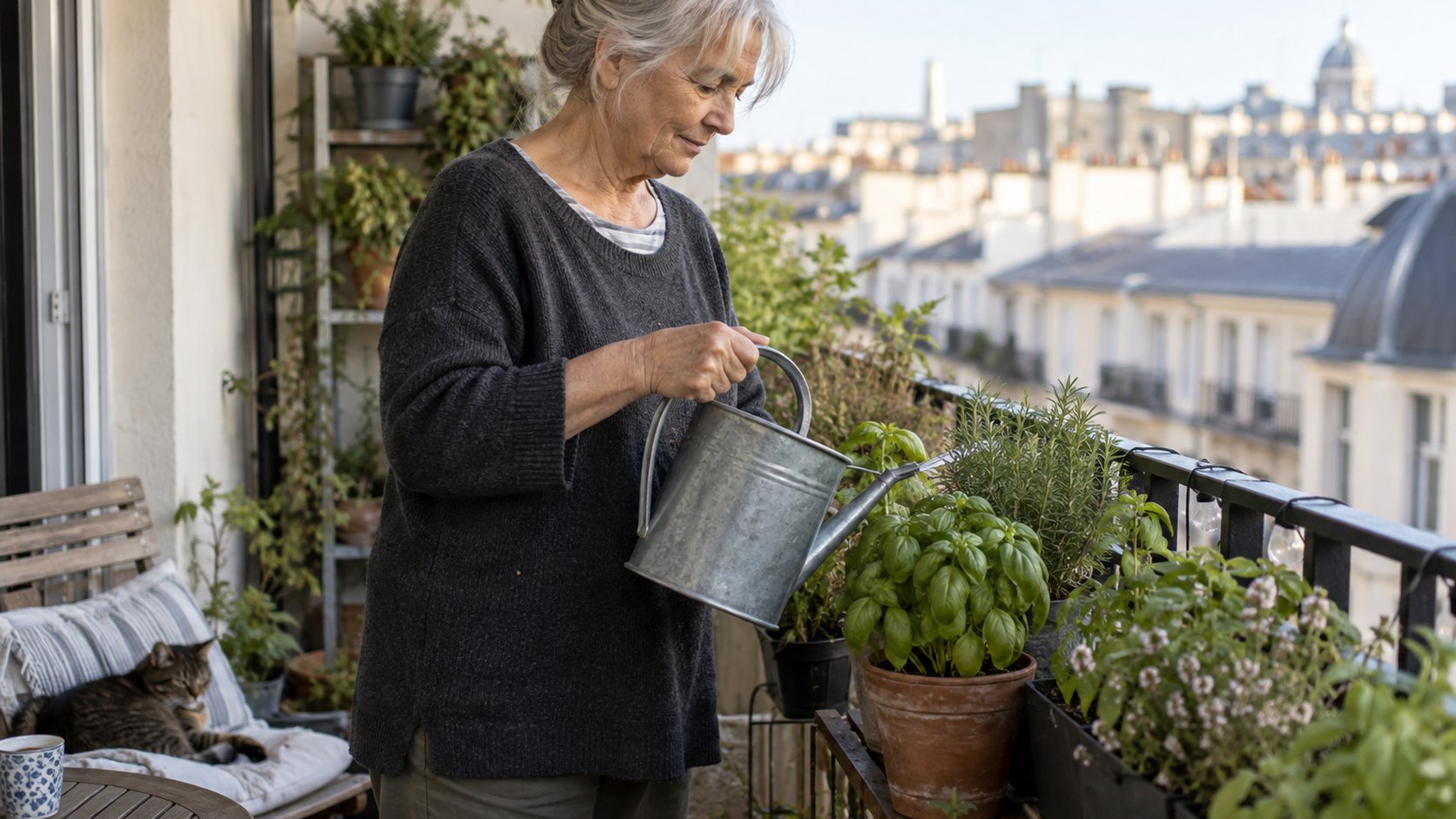
| 🌿 A living thing you tend | Care + patience + seasons | Daily, minutes |
| 📚 A small teaching role | Competence + care combined | Occasional |
Why Small Works
- 🔁 Frequency beats magnitude — a daily ten-minute meaningful act outperforms a monthly grand gesture in the wellbeing data.
- 🧩 Small acts are sustainable — callings burn out; watering a plant doesn't.
- 📈 They compound — the same structure as the Relationships pillar's friendship math: meaning accrues in hours, not insights.
- 🛡️ They survive bad days — the diary literature's point: daily meaning is what carries people through periods when the grand purpose is unreachable.
🔍 The two-minute audit
Tonight, one question: what made today feel worth it? Write the answer for two weeks. The list that emerges — however humble — is your personal meaning inventory. The practical step is embarrassingly simple: schedule more of what's already on the list. Most people's daily-meaning sources are already present in their lives, just under-fed. Small purpose isn't about finding something new; it's about noticing what already works and doing it on purpose.
Small Purpose Questions, Answered Briefly
- Is this just "gratitude journaling" rebranded? Related but distinct: gratitude is retrospective appreciation; daily meaning is forward-looking significance. The diary research measures both, and they do different work — meaning predicts engagement, gratitude predicts mood.
- What if my audit comes back empty? An empty two-week audit is itself information — and a reason to test-drive the weekly anchors (a container, a craft, a care role) rather than journal harder. Meaning is built in action, not extracted by introspection.
- Does small purpose scale up to big purpose? Often — the diary literature's pattern: big purposes are discovered inside small recurring acts, not the reverse. Start small, let the calling find you.
The Bottom Line
- Meaning is daily, not destiny — care, competence, and connection, in small recurring doses.
- Frequency beats magnitude — a weekly anchor outperforms a quarterly peak.
- You already have sources — the audit finds them; scheduling feeds them.
- Small purpose is the bridge between no purpose and a calling.
Go Deeper: Subtopics
- 🔎 Micro-purpose — the evidence that daily meaning (not epic mission) carries the health benefit. Read it →
- 🔎 The 3-good-things practice — the gratitude-journal evidence and its honest effect size. Read it →
- 🔎 Rituals as meaning — morning coffee, the daily walk: how ordinary routines become purpose anchors. Read it →
- 🔎 Craft & mastery — the small-skill loop: progress as meaning, week by week. Read it →
- 🔎 Meaning vs happiness — the distinction the research draws, and why purpose tracks health better than pleasure. Read it →
Related Topics
- King et al., "Positive affect and the experience of meaning in life," Journal of Personality and Social Psychology (2006)
- Steger, Kashdan & Oishi, "Being good by doing good: daily eudaimonic activity and well-being," Journal of Research in Personality (2008)
- Martela & Steger, "The three meanings of meaning in life," The Journal of Positive Psychology (2016)
- Machell et al., "Establishing the psychometric properties of the daily meaning in life measure," The Journal of Positive Psychology (2015)
- Diener et al., "Beyond the hedonic treadmill: revising the adaptation theory of well-being," American Psychologist (2006)